



Analysis of the Spatiotemporal Distribution Characteristics of Strong Winds in the Main Channel of the Yangtze River
-
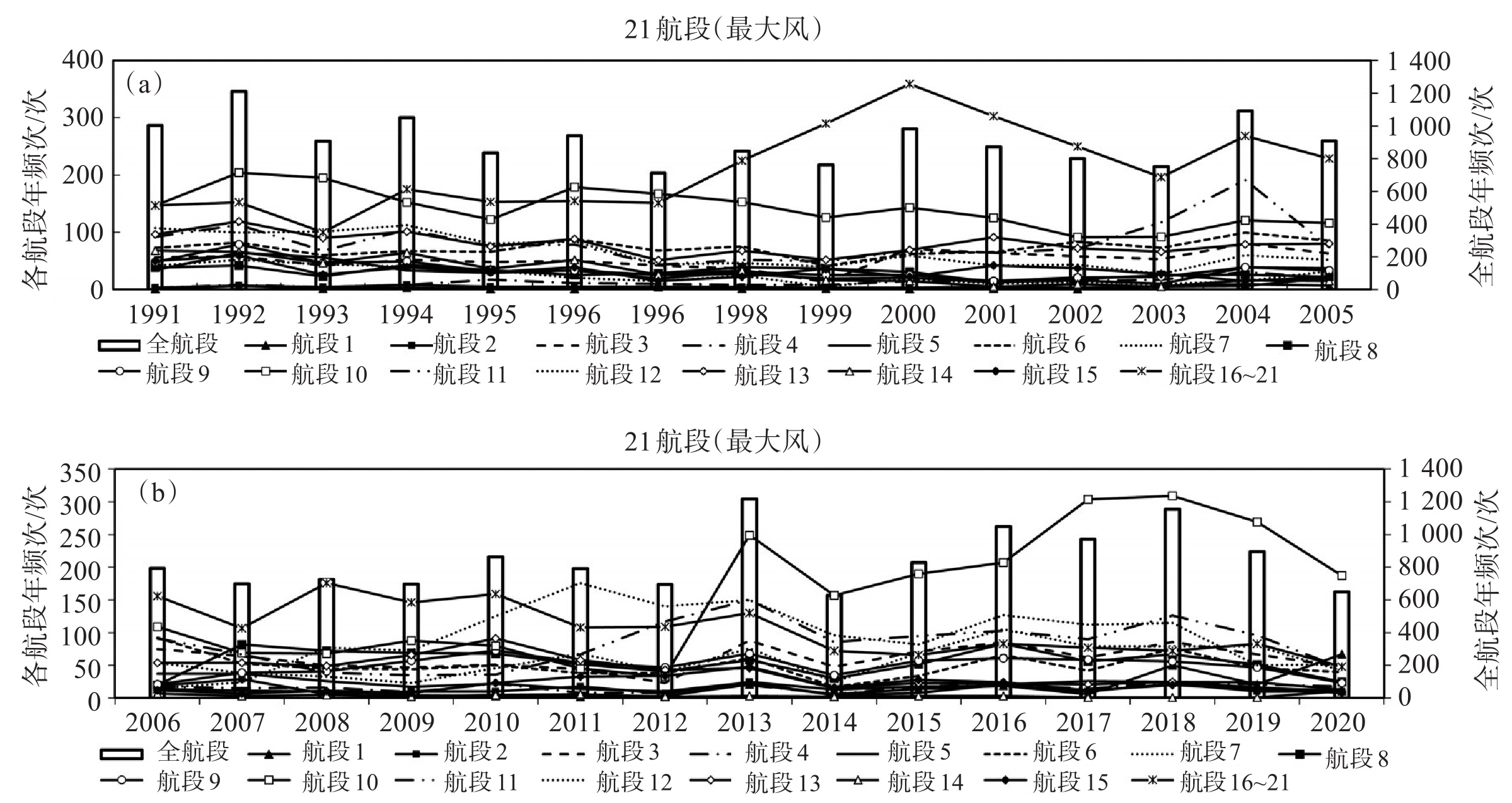
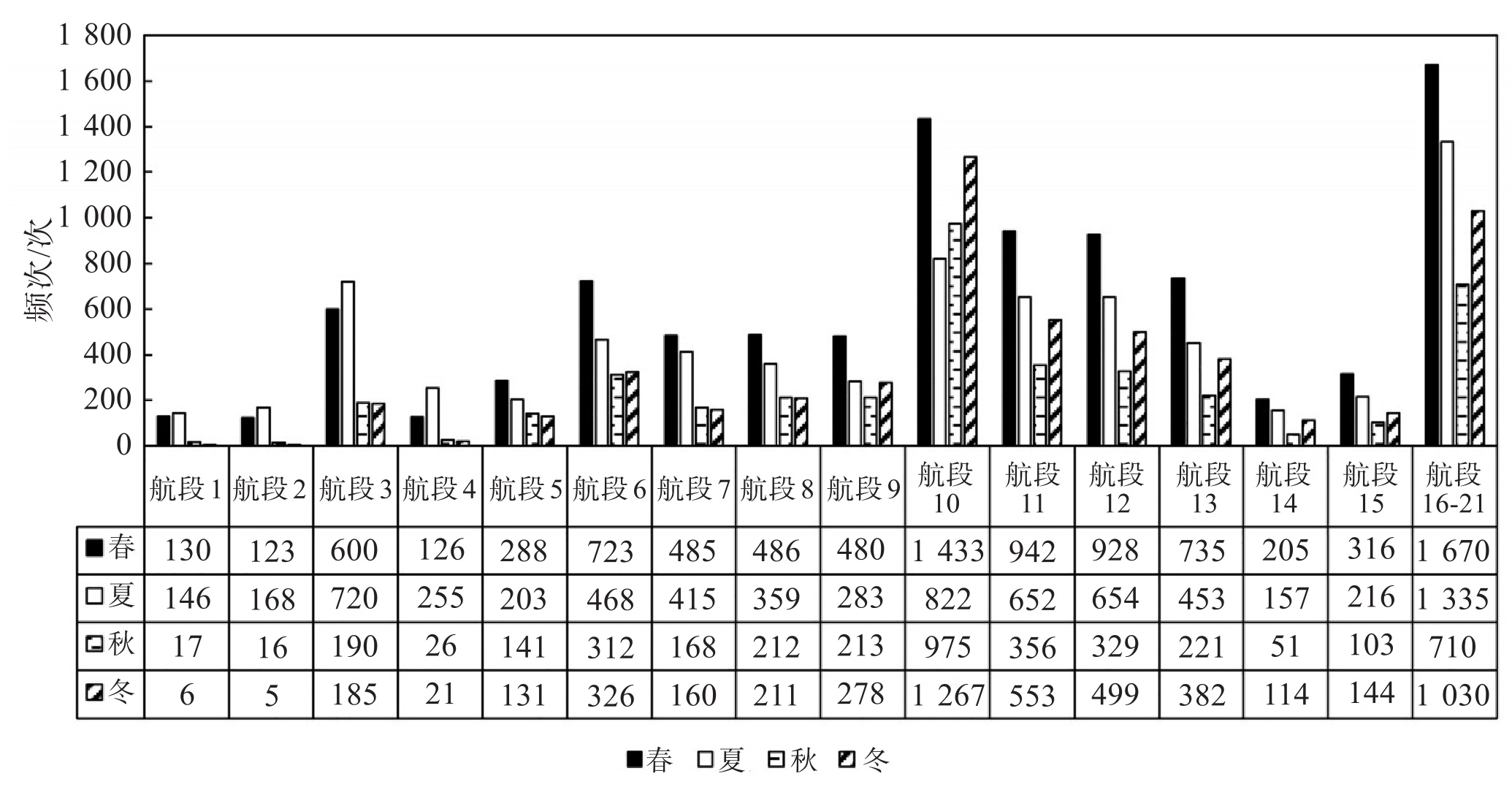
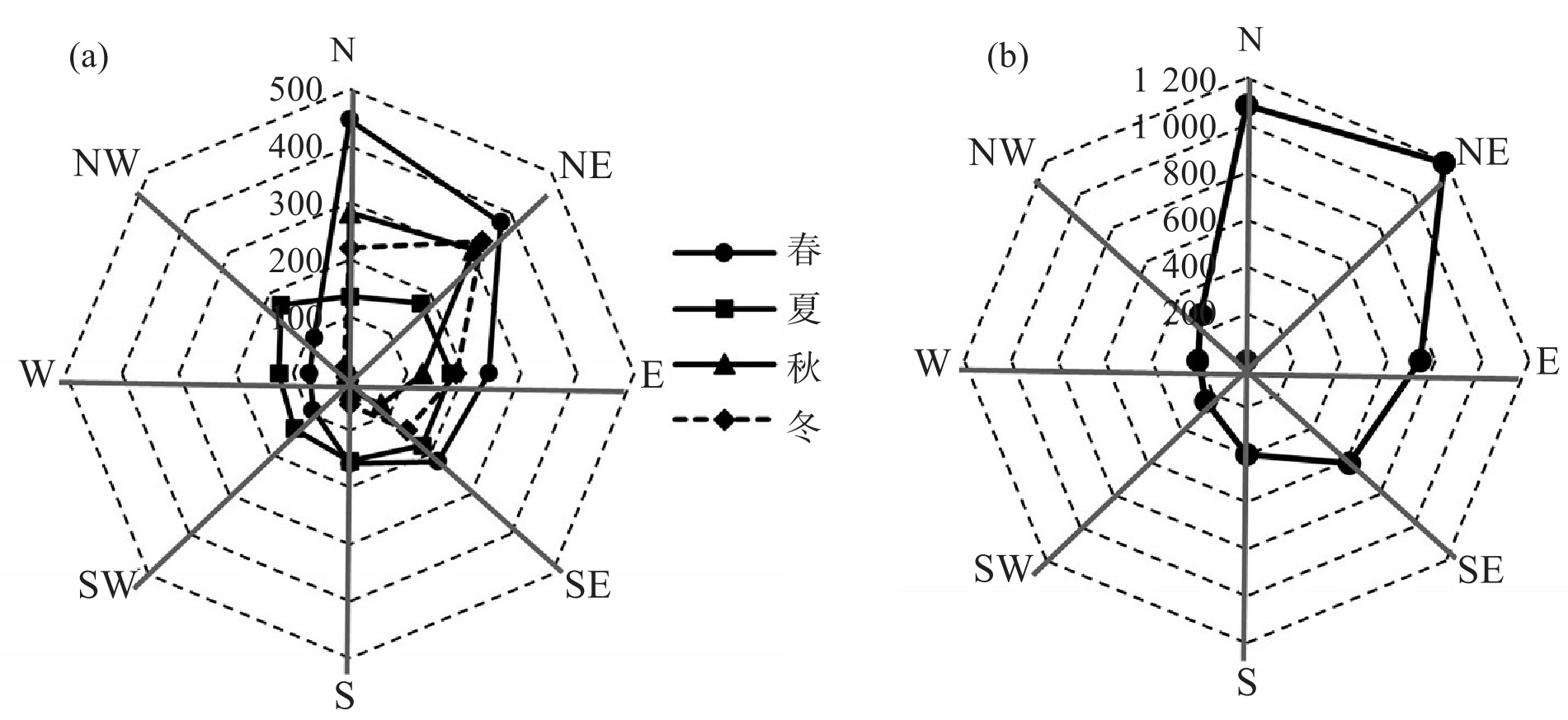
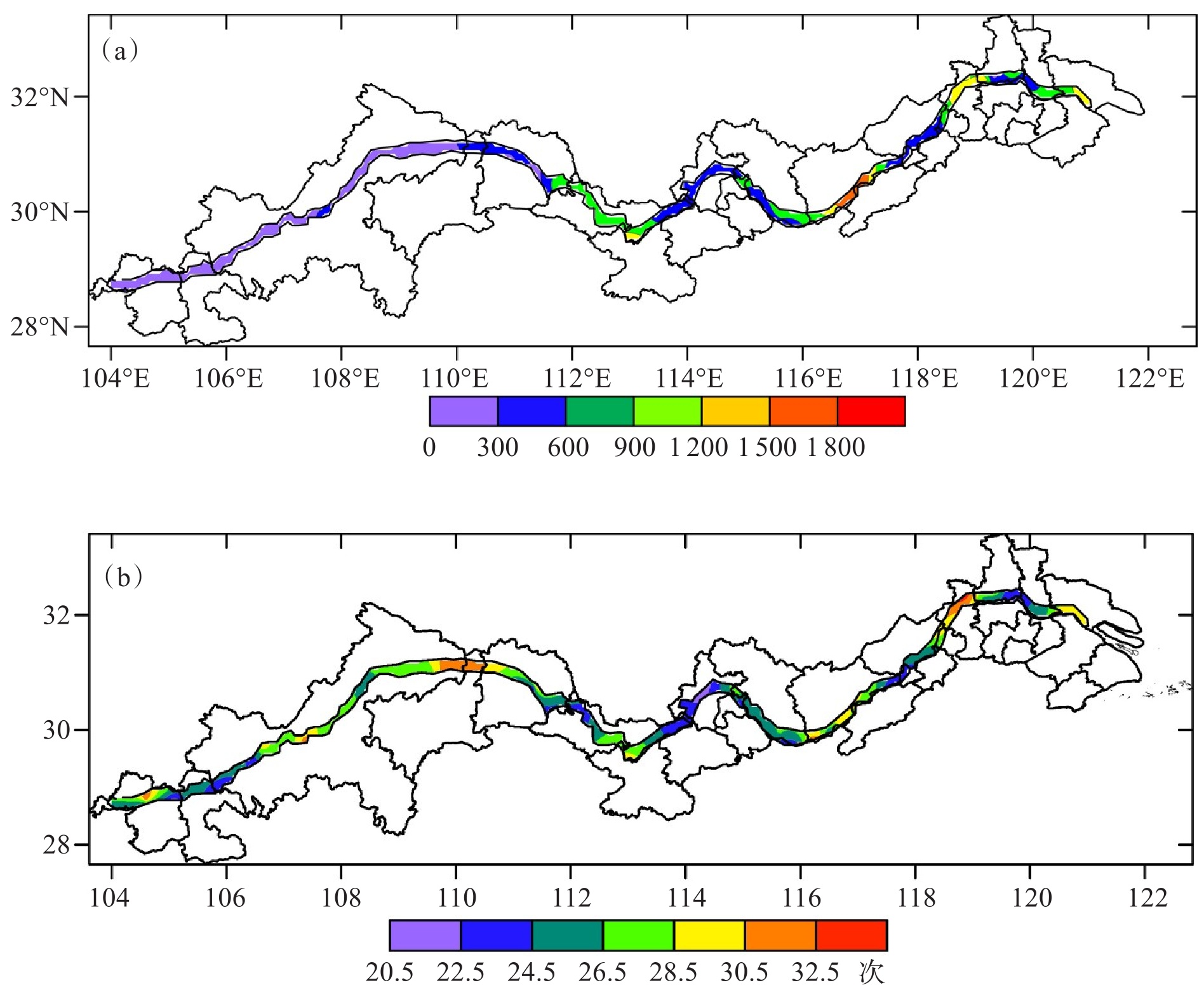
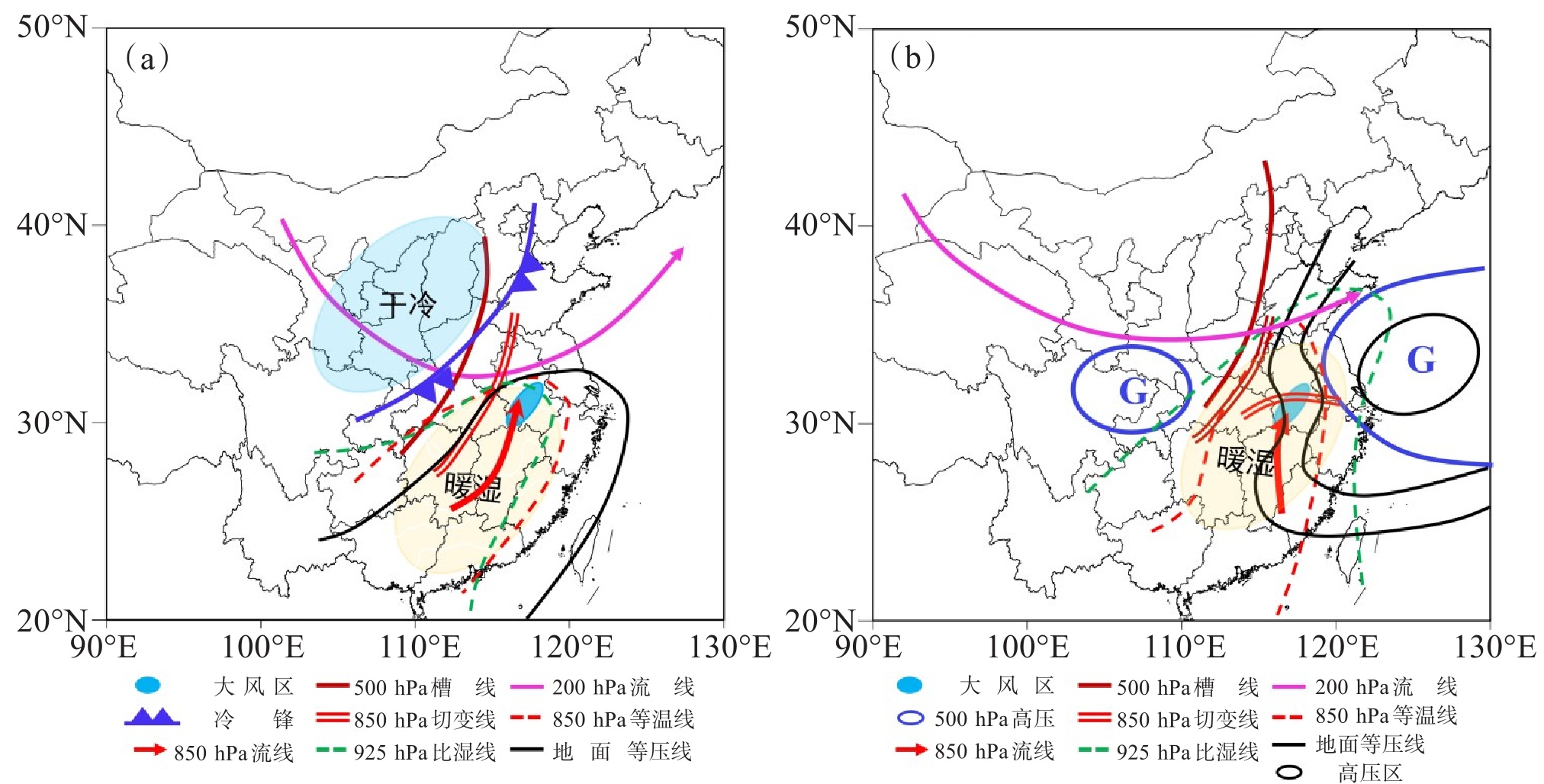
摘要: 利用1991—2020年国家气象站逐日观测资料,对长江干线21个航段强风时空分布特征进行分析,并探讨了天气形势与下垫面环境等因素对其影响。从强风发生频次的年代变化来看,前10年(1991—1999年)呈下降趋势,中间阶段(2000—2011年)表现相对平稳,2012年之后则显著增加。大部航段强风事件集中发生在冬春两季,其中九江—安庆、芜湖—南京、泰州—太仓段为年频次高发航段;宜宾—泸州、泸州—重庆中西部为低发航段。强风(极大风)最大值常出现在宜宾—泸州、重庆、恩施、宜昌以及芜湖—太仓段。全航段强风的盛行风向为东北风和北风,其中春、秋、冬季强风以东北风和北风为主,夏季风向特征不明显。强风事件发生原因主要分为两类:一类是受特殊地形及水陆分布影响而多发的地理特征性大风,如川渝航段、鄂西航段及皖南航段等;另一类是受天气系统强迫而产生的系统性大风,具有明显季节特征,主要分为冷锋后偏北大风及中小尺度对流系统引发的雷暴大风。前者多出现在冬春两季,主要受冷锋及气旋系统影响,以东北风和北风为主;后者常发生在每年的3—9月,具有突发性、局地性和极端性特征。此外,在7—9月,长江干线中东部航段还易受热带气旋(台风)东移北上影响,易发生大风。研究结果为长江沿线海事相关部门有效规避气象风灾提供了参考依据。Abstract: Using daily observation data from the National Meteorological Station from 1991 to 2020, this study analyzes the spatiotemporal distribution characteristics of strong winds in 21 sections of the Yangtze River mainline, and explores the influence of weather conditions, natural geographical environment, and other factors on them. From the perspective of the temporal changes in the frequency of strong winds, a downward trend was observed during the first decade (1991-1999), followed by a relatively stable period (2000-2011), and a significant increase after 2012. Most strong wind events occur in the winter and spring, among which the Jiujiang-Anqing, Wuhu-Nanjing, and Taizhou-Taicang sections exhibit the highest annual frequencies, whereas the Yibin-Luzhou and central-western Luzhou-Chongqing are low-frequency routes. The strong wind (maximum wind) maximum value often occurs in the Yibin-Luzhou, Chongqing, Enshi, Yichang, and Wuhu-Taicang sections. The prevailing strong wind directions throughout the entire sections are northeasterly and northerly. Northeast wind and north wind dominating in spring, autumn, and winter, while no distinct prevailing wind direction is observed in summer. The causes of strong wind events can be mainly divided into two categories. One is geographic characteristic winds that are frequently affected by special terrain and land-water distribution, such as those in the Sichuan-Chongqing, western Hubei, and southern Anhui sections. The second category consists of systemically forced strong winds driven by weather systems. These exhibit pronounced seasonal characteristics and are mainly divided into northerly gales after cold fronts and thunderstorm-induced winds caused by mesoscale and microscale convective systems. The former mostly occurs in winter and spring, mainly affected by cold fronts and cyclone systems, with northeast and north winds as the main ones; The latter often occurs from March to September each year, characterized by its suddenness, localization, and extreme intensity. In addition, the central and eastern sections of the Yangtze River mainline from July to September are highly susceptible to strong winds induced by tropical cyclones (typhoons) moving eastward and northward, . The research results provide a basis for maritime departments along the Yangtze River to effectively avoid meteorological wind disasters.
-
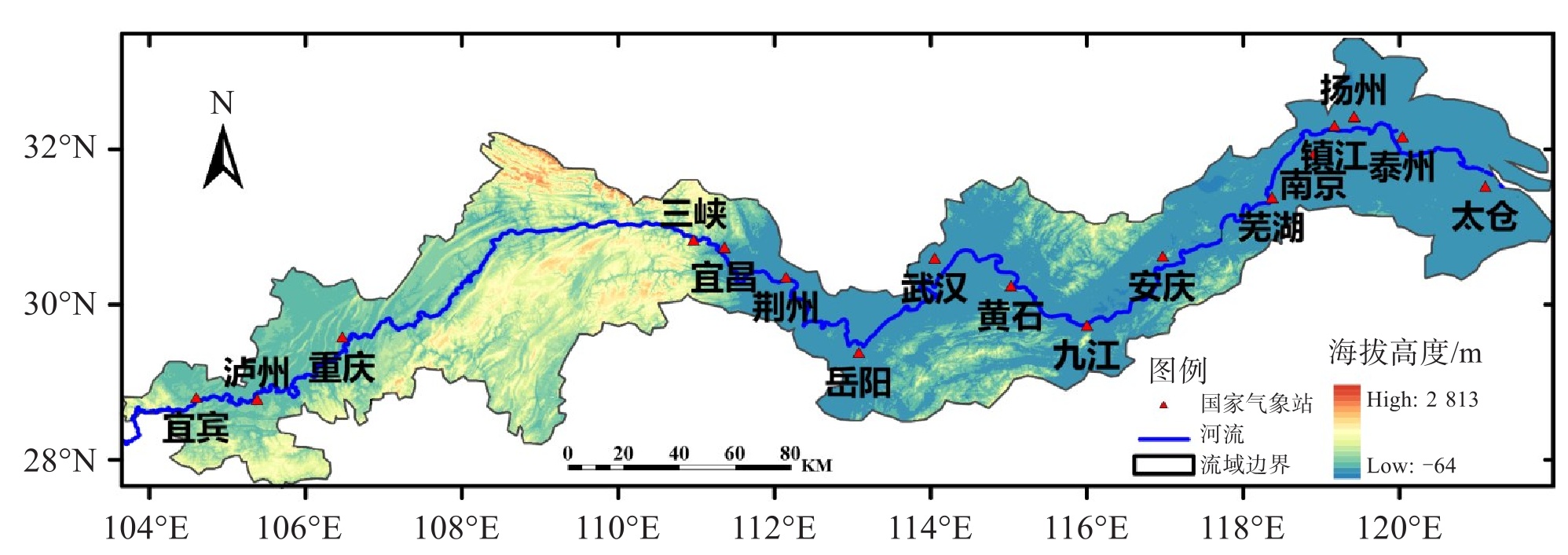
表 1 长江干线21航段起止点
航段 起止站点 航段 起止站点 航段1 宜宾—泸州 航段9 黄石—九江 航段2 泸州—重庆 航段10 九江—安庆 航段3 重庆—三峡 航段11 安庆—芜湖 航段4 三峡—宜昌 航段12 芜湖—南京 航段5 宜昌—荆州 航段13 南京—镇江 航段6 荆州—岳阳 航段14 镇江—扬州 航段7 岳阳—武汉 航段15 扬州—泰州 航段8 武汉—黄石 航段16~21 泰州—太仓  下载: 导出CSV
-
[1] 刘菡, 包云轩, 袁成松, 等. 长江航道江苏段强风和强横风的时空分布特征研究[J]. 自然灾害学报, 2014, 23(4): 155-169. [2] 程宏林, 王才宝, 洪贞铨, 等. 江苏内河航运交通事故气象条件分析[J]. 气象, 1996, 22(12): 51-53. [3] 杨秋珍, 李军, 徐明, 等. 影响上海地区强风事件风险特征及防御对策[C]//第26届中国气象学会年会农业气象防灾减灾与粮食安全分会场论文集, 2009: 729-739. [4] 杨淑华, 杜美玲, 李效良, 等. 大同地区一次强寒潮天气过程的诊断分析[J]. 山西农业大学学报(自然科学版), 2011, 31(4): 360-365. [5] 李燕, 张彩凤, 赵惠芳, 等. 大连地区寒潮强风天气的数值模拟研究[J]. 安徽农业科学, 2010, 38(4): 1893-1898, 1901. [6] 项素清. "2008.4.9"江淮气旋后部大风过程诊断分析[J]. 海洋预报, 2009, 26(4): 37-43. [7] 查贲, 沈杭锋, 郭文政, 等. 一例少见爆发性气旋及其诱发的大风天气分析[C]//S1灾害天气研究与预报, 2012: 2316-2322. [8] 杨良华. 江淮气旋大风预报研究[J]. 交通部上海船舶运输科学研究所学报, 1995(2): 54-64. [9] Fujita T T, Byers H R. Spearhead echo and downburst in the crash of an airliner[J]. Monthly Weather Review, 1977, 105(2): 129-146. [10] 赵凯, 沈树勤, 孙燕. 登陆台风产生江苏大风的动力学诊断[J]. 安徽农业科学, 2009, 37(20): 9553-9557. [11] 杜俊. 中尺度海陆风环流的动力学特征[J]. 南京大学学报(自然科学版), 1989, 25(4): 696-704. [12] 陈明, 傅抱璞, 于强. 山区地形对暴雨的影响[J]. 地理学报, 1995, 50(3): 256-263. [13] 张萍萍, 张宁, 董良鹏, 等. 三峡谷地三类突发性中尺度暴雨概念模型研究[J]. 干旱气象, 2017, 35(6): 1027-1035. [14] 张萍萍, 韦惠红, 董良鹏, 等. 湖北省三峡谷地两类突发性中尺度暴雨特征对比分析[J]. 气象与环境科学, 2018, 41(3): 64-70. [15] 解以扬, 刘大刚, 吴丹朱, 等. 黄、渤海恶劣天气影响船舶安全的风险预估技术初探[J]. 灾害学, 2014, 29(1): 136-143. [16] 苏志, 张瑞波, 周绍毅, 等. 北部湾沿海基本风压和阵风风压分析[J]. 热带地理, 2010, 30(2): 141-144. [17] 中国气象局. 地面气象观测规范[M]. 北京: 气象出版社, 2003.2003. [18] DB42/T 1986-2023. 长江干线湖北段船舶航行气象风险预警等级[S]. 武汉: 湖北省市场监督管理局, 2023. [19] ]DB43/T 2055-2021. 水上交通气象灾害风险预警等级划分预评标准[S]. 长沙: 湖南省市场监督管理局, 2021. [20] 章国材. 自然灾害风险评估与区划原理和方法[M]. 北京: 气象出版社, 2014. [21] 张振东, 田小毅, 黄亮, 等. 长江航道江苏段风灾事故分析[J]. 干旱气象, 2020, 38(3): 511-517. [22] 陈贵川, 谌芸, 乔林, 等. 重庆"5.6"强风雹天气过程成因分析[J]. 气象, 2011, 37(7): 871-879. [23] 江玉华, 杜钦, 赵大军, 等. 引发四川盆地东部暴雨的西南低涡结构特征研究[J]. 高原气象, 2012, 31(6): 1562-1573. [24] 龙柯吉, 康岚, 罗辉, 等. 四川盆地雷暴大风雷达回波特征统计分析[J]. 气象, 2020, 46(2): 212-222. [25] Liu L J, Wen Y Q, Liang Y J, et al. Extreme weather impacts on inland waterways transport of Yangtze River[J]. Atmosphere, 2019, 10(3): 133. [26] 何青青, 董丹丹, 邓霞, 等. 重庆市永川区非汛期大风天气特征分析及预报方法[J]. 气象与减灾研究, 2020, 43(1): 50-57. [27] 韦惠红, 许冠宇, 刘希文, 等. 湖北省不同类型雷暴大风的时空分布及环境参数特征[J]. 暴雨灾害, 2022, 41(1): 66-75. [28] 吴翠红, 张萍萍, 龙利民, 等. 峡谷地形对两次大暴雨过程的增幅作用对比分析[J]. 暴雨灾害, 2013, 32(1): 38-45. [29] 冯晋勤, 俞小鼎, 蔡菁, 等. 福建春季西南急流暖湿强迫背景下的强对流天气流型配置及环境条件分析[J]. 气象, 2017, 43(11): 1354-1363. [30] 马中元, 许爱华, 贺志明, 等. 九江地区一次无降水致灾大风天气过程分析[J]. 气象与减灾研究, 2009, 32(3): 52-56, 76-77. [31] 王黉, 李英, 吴哲红, 等. 我国大风机理研究和预报技术进展[J]. 气象科技, 2019, 47(4): 600-607. -

 点击查看大图
图(6) / 表(1)
计量
- 文章访问数: 3
- HTML全文浏览量: 1
- PDF下载量: 0
- 被引次数: 0
 粤公网安备 4401069904700003号